
How to Handle Multi-State Oversize Load Permits Without the Headaches
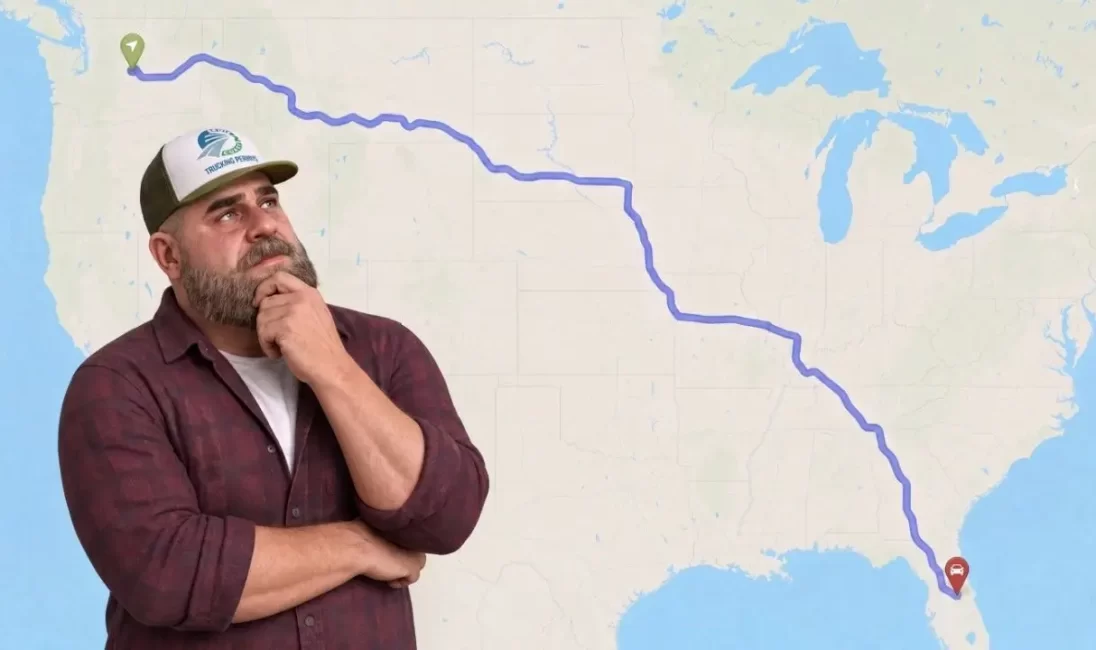
If you’ve ever hauled an oversize load across state lines, you already know one thing: no two states play by the same rules.
A load that’s perfectly legal in one state might need a permit the minute you cross the border. Add in county permits, bridge restrictions, travel-hour rules, and escort requirements, and things can get complicated in a hurry.
The good news? A little planning goes a long way.
Here’s what you need to know before you roll.
What Is an Oversize Load Permit?
An oversize load permit gives you legal permission to move freight that’s over a state’s legal size or weight limits.
Most states follow the federal limit of 80,000 pounds gross vehicle weight on Interstate highways, but that’s where the similarities usually end. Every state has its own rules for width, height, length, axle weights, travel times, and approved routes.
If your load is over the legal limit, you need the right permits before the truck moves.
Running without them can mean fines, delays, getting parked by DOT, or worse.
Federal Limits Are Just the Starting Point
Federal regulations set the basic weight limits for commercial vehicles:
- 80,000 pounds gross vehicle weight
- 20,000 pounds on a single axle
- 34,000 pounds on a tandem axle
Most states also limit legal width to 8 feet 6 inches (102 inches), while legal height ranges from 13 feet 6 inches to 14 feet. Length rules vary quite a bit depending on the state and the roads you’re traveling.
Once your load goes over any of those limits, permits come into play.
Every State Has Its Own Rules
This is where things get interesting.
Texas doesn’t issue permits the same way California does. Illinois has different restrictions than Montana. A load that doesn’t need a permit in one state might require one as soon as you cross the state line.
Travel restrictions change too.
Some states don’t allow oversize loads after dark. Others shut down permitted travel during rush hour, weekends, or holidays. Certain bridges, cities, or construction zones may have their own restrictions on top of everything else.
That’s why route planning matters just as much as getting the permits themselves.
Permits You’ll Need on a Multi-State Trip
Single-Trip Permits
These cover one trip from your pickup to your delivery. You’ll need one from every state you travel through.
Annual Permits
If you’re running the same type of loads through the same states all year, an annual permit can save time and money. Just remember they usually come with lower size and weight limits than single-trip permits. Our Coast 2 Coast agents can help you better understand if these types of permits are a good fit for you and what you’re hauling.
Superload Permits
Once you get into extremely large or heavy freight, you’re dealing with superloads.
These permits usually require engineering reviews, route surveys, bridge analysis, and a lot more lead time than a standard oversize permit. Depending on the state, approval can take weeks instead of days.
Local Permits
State permits only cover state-maintained highways.
If your pickup or delivery is on a county road or city street, you’ll probably need permits from those local agencies too. Those “locals” are easy to overlook, but missing one can stop a load just as fast as missing a state permit.
What You’ll Need Before Applying
The quickest way to delay a permit is by sending bad information.
Before anyone starts filling out applications, it’s best to make sure you have accurate measurements for the entire loaded vehicle. We know that sometimes you’re relying on estimates because shippers want you to have the first permit in hand before you arrive. In these cases, it’s better to add dimensions and weight than come in undersized and underweight.
To get started, you’ll typically need:
- Overall length
- Overall width
- Overall height
- Front and rear overhang
- Gross vehicle weight
- Individual axle weights
- Axle spacing
- Truck and trailer information
- VIN and license plate numbers
- USDOT information
- Pickup and delivery locations
- A complete route, or at least what states you’d like to travel through.
How Long Do Permits Take?
Standard oversize permits are usually pretty quick, but just like state regulations, turn around times can vary. With Coast 2 Coast, many of our permits come back within minutes to a couple of hours. However, other states can take up to 3 days depending on staffing and permit backlog.
Local permits usually take longer. Counties and townships often have fewer people handling permit requests, so expect anywhere from three to five business days, sometimes longer.
Superloads are a different story.
Engineering reviews, bridge studies, and route approvals can push turnaround times into weeks. If your load is especially large or heavy, don’t wait until the last minute to start the process.
The bigger the load, the more lead time you should build into your schedule.
The Most Common Reasons Permits Get Delayed
Most permit delays come down to a handful of problems.
Bad Information
Wrong dimensions.
Missing axle spacing.
Incorrect vehicle information.
Even a small mistake can send the application right back to square one.
Forgetting the Locals
This one catches a lot of people.
Your state permits don’t automatically cover county roads or city streets.
If your pickup or delivery requires local permits, you need those too.
Pilot Cars and Escort Vehicles
Depending on the size of your load, you may also need one or more pilot cars. Every state has different requirements based on width, height, length, and the roads you’re traveling.
Escort vehicles do more than satisfy permit requirements. They help warn traffic, communicate hazards, and guide drivers through tight turns, low clearances, and other trouble spots.
Your permit will spell out exactly what’s required, so don’t assume the rules are the same from one state to the next.
Stay Ahead of Problems
The easiest permit is the one you never have to fix.
Measure your load carefully, verify your axle weights, and, if possible, leave yourself enough time to handle unexpected delays. The earlier permit requests are submitted, the more flexibility you’ll have if additional approvals or local permits are required.
Let Coast 2 Coast Handle the Paperwork
Managing permits across multiple states takes time, and every state has its own rules, processing times, and requirements. Missing one detail can delay an entire shipment.
At Coast 2 Coast, we handle oversize and overweight permits for all 50 states and Canada. Whether it’s a straightforward oversize load or a complex superload with multiple jurisdictions, our team keeps the paperwork moving so you can keep your freight moving.
Instead of chasing permits, checking state websites, and trying to coordinate approval dates, let us handle the details while you focus on the road.