
How to Choose a Trucking Permit Service in 2026
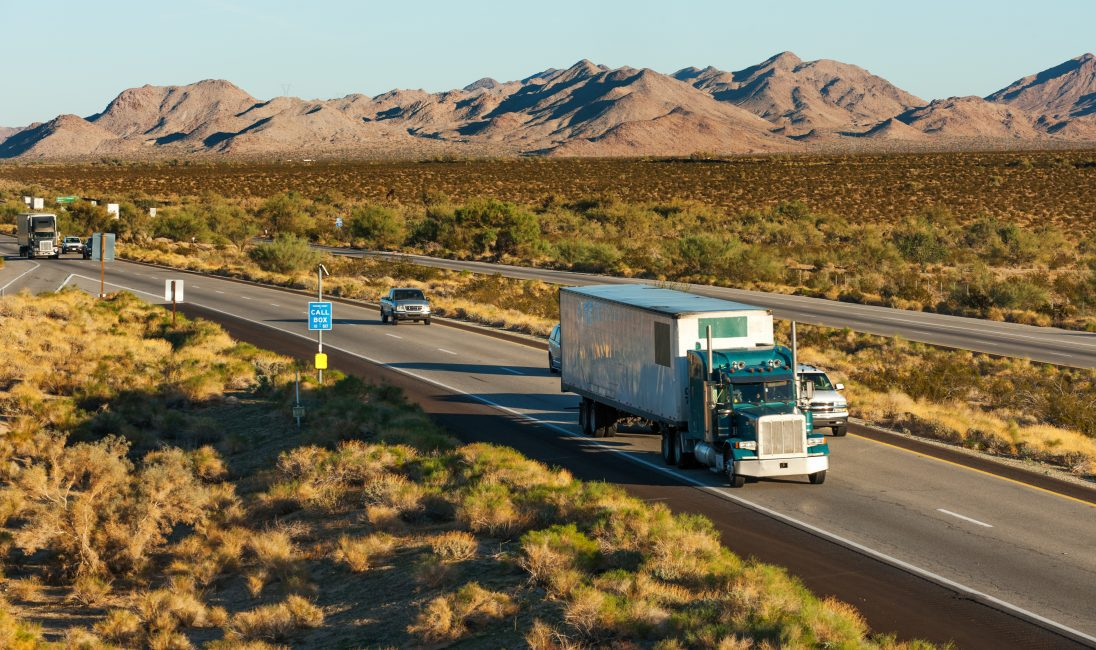
When you’re hauling overweight or oversize loads across multiple states, the permit process can eat up hours you don’t have. Miss a single state requirement, and you’re looking at DOT fines, weigh station delays, and a load that sits while you scramble for paperwork. Choosing the right trucking permit service makes the difference between smooth deliveries and costly delays.
This guide breaks down the key factors for evaluating trucking permit services, from turnaround speed and regulatory expertise to route support and multi-state coverage. You’ll learn what to look for, what questions to ask, and how to spot a permit service that can keep up with your operation.
Key Takeaways: How to Choose a Trucking Permit Service in 2026
- Turnaround time matters for urgent loads. Look for services that can deliver permits in 1.5-2 hours for standard trip and fuel permits.
- Coast 2 Coast Trucking Permits secures oversize, overweight, and superload permits across 49 states and Canadian provinces.
- State-by-state regulatory expertise prevents costly mistakes with varying weight limits, dimension restrictions, and escort requirements.
- Route planning support helps avoid restricted roads, bridge weight limits, and travel-time restrictions that can stop your load.
- Permit services should offer multiple delivery methods including email, fax, and text to match your operational needs.
Why Does Choosing the Right Permit Service Matter?
Running without proper permits costs more than the permit fee you skipped. DOT fines, State Highway Patrol citations, and getting parked until you sort out your paperwork all add up quickly. Beyond direct financial penalties, permit problems delay deliveries, damage customer relationships, and can impact future business.
How Do You Evaluate Turnaround Time for Trucking Permits?
When a last-minute freight call comes in, permit turnaround time becomes critical. Standard trip and fuel permits should be available in hours, not days. Coast 2 Coast delivers fast permit turnaround times averaging 1.5 to 2 hours for temporary IFTA and trip permits, with many being issued instantly.
For oversize and overweight permits, turnaround varies by state and load specifications. Some states offer automated systems that can issue routine permits within 24 hours. Others require manual review, especially for loads exceeding superload thresholds, where processing can take three to five business days.
Questions to Ask About Turnaround Time
Before selecting a permit service, get specific answers about processing times for your typical loads:
- What’s the average turnaround for standard oversize permits in the states you travel most?
- How does the service handle rush requests for urgent loads?
- Do they have relationships with state permitting offices that can expedite processing?
- What happens if a permit application gets rejected or requires corrections?
How Important Is Regulatory Expertise in a Permit Service?
Regulations change often, sometimes for the better and sometimes for the worse. A permit service that stays current on state regulations prevents costly mistakes that could delay your load or result in violations.
Every state has its own rules for width, height, length, axle weights, travel times, and approved routes. Arizona requires permits for all commercial vehicles with two or more axles, regardless of weight. Texas sets different thresholds than California for what qualifies as an oversize load. A permit service with deep regulatory knowledge catches these variations before they become problems.
Signs of Strong Regulatory Expertise
Look for permit services that can answer detailed questions about state-specific requirements without hesitation:
- What are the escort requirements for a 12-foot-wide load in Pennsylvania versus Ohio?
- Which states require engineering analysis for loads over certain weights?
- When do superload permits require DOT review versus standard processing?
- What travel-time restrictions apply to oversize loads in the states on your route?
What Route Planning Support Should a Permit Service Offer?
Permits alone don’t guarantee you’ll reach your destination without problems. Route planning matters just as much as getting the permits themselves. Bridge weight limits, vertical clearances, road restrictions, and seasonal travel bans can all derail a delivery if they’re not identified before you roll.
Quality permit services include route analysis as part of their offering. They should identify potential obstacles like low-clearance bridges, roads with weight restrictions, and construction zones that might require detours. For superloads, route surveys may be mandatory in some states.
Route Support Features to Look For
When evaluating route planning capabilities, consider:
- Does the service identify restricted roads and suggest alternatives?
- Can they coordinate escort vehicles and pilot cars when required?
- Do they account for travel-time restrictions in each state?
- Will they help you avoid seasonal weight restrictions and spring thaw limitations?
Coast 2 Coast’s permit agents suggest best route options to prevent financial loss from poor route selection or unexpected delays.
How Do You Assess Permit Types and Services?
Heavy haul operations often need more than just oversize permits. Your permit service should handle the full range of authorizations your loads require:
Oversize and Overweight Permits
Any truck-trailer-load combination exceeding 8 feet 6 inches wide and/or 13 feet 6 inches high (14 feet in most western states) requires an oversize permit. Loads exceeding 80,000 pounds gross weight need overweight permits. Your service should process both quickly and accurately.
Superload Permits
Any load exceeding routine dimensions for a state is considered a superload. These permits involve more complex approval processes, often requiring engineering analysis and DOT review. State superload permits can range from $100 to $5,000, depending on the load and jurisdiction.
Temporary Trip and Fuel Permits
When you’re operating outside your IRP coverage or need to travel in a state where you’re not registered under IFTA, temporary trip and fuel permits fill the gap. A qualified motor vehicle with two axles and a gross vehicle weight exceeding 26,000 pounds needs IFTA credentials or fuel trip permits for interstate travel.
What Communication and Delivery Methods Should You Expect?
Permits don’t help if they can’t reach you when you need them. Your permit service should offer flexible delivery options that match how your operation runs.
Standard delivery methods include email, fax, and text. Some services can deliver permits to multiple locations simultaneously, which helps when dispatchers, drivers, and office staff all need copies. When a driver is sitting at a shipper waiting to roll, getting permits delivered directly to a mobile device saves time.
Communication Standards to Expect
Beyond permit delivery, evaluate how the service communicates about permit status, potential issues, and regulatory changes:
- Do they notify you immediately when a permit is ready or if there’s a delay?
- Can you track permit status online or through a portal?
- How quickly do they respond to questions about specific loads?
- Do they proactively alert you to regulation changes that might affect your operations?
How Do You Compare Permit Service Experience and Track Record?
Years in business tell part of the story, but reputation and customer relationships reveal more. A permit service that’s been trusted by thousands of carriers has demonstrated the ability to handle complex permit situations across varying conditions.
Look for services with a track record of long-term customer relationships. When carriers stick with a permit service year after year, it signals reliable performance. Coast 2 Coast has built relationships with thousands of carriers who rely on their expertise for multi-state oversize and overweight permit needs.
How to Verify Experience and Reliability
Before committing to a permit service, take these steps:
- Ask for references from carriers running similar loads to yours
- Check reviews and customer testimonials for patterns of praise or complaints
- Inquire about their relationships with state permitting agencies
- Find out how long their average customer has been using their service
What Are the Warning Signs of an Unreliable Permit Service?
Not every permit service delivers what they promise. Watch for these warning signs that a service might not meet your needs:
- Vague answers about turnaround times or state coverage
- No references or customer testimonials available
- Difficulty reaching someone by phone when you have questions
- Limited knowledge of state-specific regulations when you ask detailed questions
- Unable to provide service fees when asked
A permit service that can’t answer basic questions about processing times, state requirements, or how much of your hard-earned money they are taking, likely won’t perform well when you’re facing a tight deadline with a load that needs to move.
How Do Permit Services Handle Complex Multi-State Loads?
When you’re hauling an oversize load across five or six states, the permit process multiplies in complexity. Each state’s system works differently. Some require you to create accounts, submit documentation, and wait for approval. Others offer automated systems with faster processing.
An experienced permit service manages this complexity by:
- Coordinating permit applications across all states on your route
- Timing approvals so permits are valid when you need them
- Identifying conflicts in travel-time restrictions between states
- Securing local permits for county roads and city streets along the way
Instead of chasing permits, checking state websites, and trying to coordinate approval dates, let permit experts handle the details while you focus on the road.
What Technology Features Matter in a Modern Permit Service?
Technology has changed how permit services operate. Look for services that use modern tools to improve efficiency and communication:
Online Ordering Systems
The ability to submit permit requests online at any hour streamlines operations. Coast 2 Coast offers online ordering through Permit Manager and POPS, allowing carriers to request permits without phone calls during business hours.
Digital Permit Delivery
Electronic delivery via email or text gets permits to drivers faster than fax. The ability to deliver to multiple recipients ensures everyone who needs a copy has immediate access.
Instant Permit Options
For standard trip and fuel permits, some services offer instant issuance through online systems. This eliminates waiting time for routine permits that don’t require state review.