
6 Best Fuel Permit Services for Small Fleets in 2026
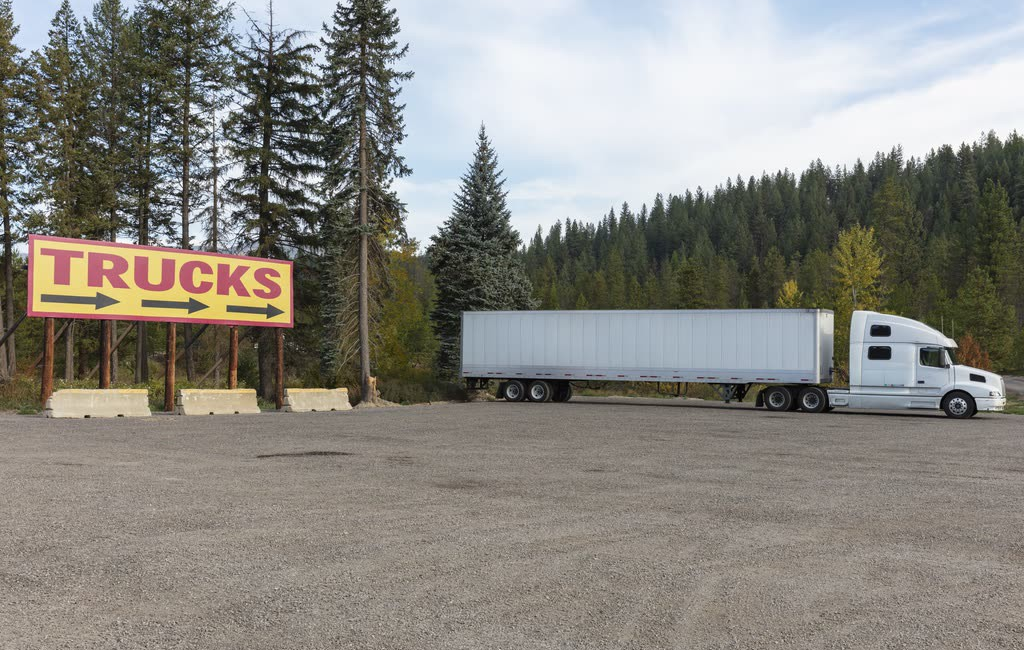
When you’re hauling freight outside your base state and don’t have valid IFTA credentials on file, a temporary fuel permit is the only thing standing between you and a citation at the next weigh station. For small fleets running 1 to 50 trucks, choosing the right fuel permit service affects how fast your drivers get moving and how many compliance headaches land on your desk.
This guide breaks down six fuel permit services that handle IRP and IFTA processing for small trucking fleets, covering turnaround speed, state coverage, and what each service does well for carriers your size. Coast 2 Coast tops the list with the fastest published turnaround for temporary fuel permits at 1.5 to 2 hours across all 50 states and Canada.
Quick guide: 6 best fuel permit services for small trucking fleets
- Coast 2 Coast: The best fuel permit service for small fleets needing fast IFTA and IRP processing across all 50 states and Canada
- Custom Permits: A Columbus-based service handling trip and fuel permits with same-day processing in the contiguous 48 states
- Permit America: An online ordering platform for temporary IFTA and IRP permits with phone and fax ordering options
- J. J. Keller: A compliance-focused service offering IFTA and IRP registration alongside regulatory reference materials
- Comdata: A fleet management platform that includes permit and fuel tax filing as part of a broader carrier services package
- WCS Permits: A permit company focused on oversize loads that also handles trip and fuel permits for carriers crossing state lines
How we chose the best fuel permit services for small fleets
Picking a fuel permit service when you’re running a handful of trucks isn’t the same as picking one for a 500-unit fleet. You need a company that picks up the phone, knows your base state’s quirks, and gets your IFTA or IRP paperwork done before your driver hits the next state line.
Here’s what we looked at when evaluating these services:
- Turnaround speed: How quickly can you get a temporary fuel or trip permit in your hand (or inbox) after placing an order?
- State coverage: Does the service cover all the jurisdictions your trucks run through, including Canadian provinces?
- Small-fleet accessibility: Can an owner-operator with two trucks get the same attention as a 200-truck carrier?
- Ordering flexibility: Can you order by phone, online portal, fax, or email depending on where you are?
- IFTA and IRP expertise: Does the team understand fuel tax reporting rules and state-by-state requirements?
- Accuracy and compliance support: Does the service catch errors before they become audit flags or fines?
The 6 best fuel permit services for small trucking fleets
1. Coast 2 Coast: Best overall fuel permit service for small fleets
When you’re hauling freight across multiple states and need temporary fuel permits fast, Coast 2 Coast handles the entire IFTA and IRP process so you can stay focused on the road. Their permit agents specialize in multi-state fuel tax compliance for carriers of all sizes, with turnaround times averaging 1.5 to 2 hours for temporary fuel (IFTA) permits.
For small fleets running 1 to 50 trucks, that speed matters. A missed fuel permit means getting rolled at a weigh station or catching a citation from State Highway Patrol. Coast 2 Coast eliminates that risk by processing your permits and delivering them via email or fax, often before your driver finishes loading.
Coast 2 Coast covers all 50 U.S. states and Canadian provinces, which means you don’t need separate services for different corridors. Their agents know which states require separate fuel tax credentials, which ones accept temporary IFTA permits for short-term travel, and how to handle the exceptions that trip up smaller carriers.
Coast 2 Coast features
- Fast IFTA permit turnaround: Averaging 1.5 to 2 hours from order to delivery, so your trucks aren’t sitting idle waiting on paperwork
- All 50 states and Canada: One service handles every jurisdiction your fleet runs through, with no gaps in coverage
- Online ordering through Permit Manager or POPS: Submit permit requests 24/7 without waiting for business hours
- Delivery by email, fax, or text: Get permits sent wherever your driver needs them, including multiple locations for the same order
- Account setup assistance: First-time users get hands-on help creating their accounts and learning the ordering process
- Expert regulatory knowledge: Agents stay current on state-by-state fuel tax rules and flag potential issues before they cause delays
Coast 2 Coast pros and cons
Pros:
- Fastest average turnaround in the industry at 1.5 to 2 hours for temporary fuel permits
- Covers every U.S. state and Canadian province under one roof
- Real permitting agents who answer the phone and know your account
Cons:
- Not a self-service-only platform, so carriers who prefer fully automated systems may notice a different workflow
- Focused on permit services rather than broader fleet management tools like fuel cards or ELD integration
- After-hours requests may process at the start of the next business day for certain state-specific permits
2. Custom Permits: A family-owned service with same-day trip and fuel processing
Custom Permits has operated out of Columbus, Ohio since 1977. They process trip and fuel permits across all 48 contiguous states with same-day availability for most IFTA and IRP requests. Their team handles orders by phone, and a permit specialist answers directly.
The company also offers an online platform called EasyPermits for carriers who prefer to submit orders digitally. Custom Permits processes 180-plus permit types total, though their fuel permit coverage does not extend to Canadian provinces.
Custom Permits features
- Same-day fuel and trip permit processing: Orders placed during business hours are typically completed the same day
- EasyPermits online portal: Carriers can save truck info and reorder previous permits with a single click
- Phone-first service model: A permit specialist answers calls directly with no automated phone trees
Custom Permits pros and cons
Pros:
- Nearly 50 years of experience processing truck permits across multiple states
- Handles 180-plus permit types from a single point of contact
- Same-day processing for standard trip and fuel requests
Cons:
- Does not cover Canadian provinces for fuel permits
- Online ordering platform has limited reorder history compared to newer systems
- Business hours are Monday through Friday 7:30 AM to 6:00 PM Eastern, with after-hours availability limited to emergencies
3. Permit America: An online-first ordering system for IFTA and IRP permits
Permit America offers a digital-first approach to temporary IFTA and IRP permits through their PARA online portal. Carriers can also order by phone or by fax. Their mobile app lets drivers carry digital copies of provision sheets on Android or iOS devices.
The company focuses on OD/OW (over-dimensional/overweight) permits alongside temporary fuel and trip credentials. New customers fill out an application before placing their first order.
Permit America features
- PARA online portal: Submit orders digitally for the fastest processing option
- Mobile app for permit storage: Carry digital provision sheets on your phone instead of paper copies
- Multiple ordering methods: Phone, fax, email, or online to match how your dispatch operates
Permit America pros and cons
Pros:
- Online portal (PARA) designed for carriers who prefer to submit orders digitally
- Mobile app lets drivers access permit documents from the cab
- Accepts orders by phone and fax for carriers without internet access on the road
Cons:
- Requires a new customer application before placing the first order, adding lead time for urgent situations
- Primary focus is OD/OW permits, with fuel and trip permits as a secondary service
- No published turnaround time guarantees for temporary fuel permits
4. J. J. Keller: A compliance reference platform with IFTA and IRP registration services
J. J. Keller offers vehicle tax and licensing services that include IFTA and IRP registration support. Their services are part of a broader regulatory compliance ecosystem that includes training materials, reference guides, and fleet management tools.
For small fleets focused specifically on fuel permits, J. J. Keller’s offerings are packaged alongside their larger compliance product catalog rather than as a standalone permit service.
J. J. Keller features
- IFTA and IRP registration services: Handles base-state fuel tax registration and quarterly reporting requirements
- Compliance reference library: Access to regulatory guides covering IFTA rules by jurisdiction
- Fleet data integration: Connects fuel tax data with vehicle mileage tracking through their DataSense platform
J. J. Keller pros and cons
Pros:
- Pairs fuel tax services with a full regulatory compliance library
- Offers training materials for carriers managing IFTA reporting in-house
- DataSense platform connects mileage data to fuel tax calculations
Cons:
- Not a dedicated permit service, so fuel permits are one piece of a much larger product catalog
- Small fleets may not need the full compliance ecosystem to get a temporary fuel permit
- Ordering a single temporary IFTA permit requires navigating their broader service structure
5. Comdata: A fleet management platform that includes permit and fuel tax filing
Comdata offers permit and tax services as part of their broader fleet management tools, which include fuel cards, payment processing, and driver settlement. Their permit division handles temporary trip and fuel permits alongside other carrier compliance needs.
For small fleets already using Comdata’s fuel card program, adding permit services creates a single vendor relationship. Carriers not using their other products would be signing up for a larger platform to access fuel permit processing.
Comdata features
- Bundled with fleet management: Fuel permits sit alongside fuel cards, payment processing, and driver settlement in one platform
- Trip and fuel permit processing: Handles temporary IFTA and IRP credentials for interstate carriers
- Integration with Comdata fuel cards: Fuel purchase data ties directly into tax reporting workflows
Comdata pros and cons
Pros:
- Combines fuel permits with fuel card management for carriers using both services
- Fuel purchase data feeds directly into IFTA reporting calculations
- Single vendor for permits, payments, and fleet administration tasks
Cons:
- Designed for carriers already on the Comdata platform, not as a standalone permit service
- Small owner-operators may find the full fleet management suite more complex than what they need
- Permit processing is one division of a large financial services company, not the core focus
6. WCS Permits: An oversize load specialist that also handles trip and fuel permits
WCS Permits focuses primarily on oversize and overweight load permitting, with a dedicated department for trip and fuel (IRP and IFTA) permits. They cover all 50 U.S. states and Canadian provinces for oversize loads, and their trip and fuel team processes temporary credentials for carriers needing short-term interstate coverage.
Their ordering process runs through their website or by phone, and they maintain state-by-state requirement pages for carriers researching permit needs before placing an order.
WCS Permits features
- Dedicated trip and fuel department: A separate team handles IRP and IFTA permits specifically
- State-by-state requirement pages: Online resources detail trip and fuel permit rules for each jurisdiction
- Online and phone ordering: Submit requests through the website or call their permit office directly
WCS Permits pros and cons
Pros:
- Separate trip and fuel department from their oversize load permitting division
- State-by-state permit requirement pages available online for self-research
- Covers U.S. and Canadian jurisdictions for trip and fuel permits
Cons:
- Primary expertise is oversize/overweight permitting, with fuel permits as a secondary service
- No published average turnaround times for temporary fuel permit orders
- Online ordering system is geared toward their oversize load clients rather than standalone fuel permit requests
Comparison table: The best fuel permit services for small fleets
| Service | Avg. IFTA Turnaround | Canada Coverage | Small Fleet Focus |
|---|---|---|---|
| Coast 2 Coast | 1.5–2 hours | ✓ | ✓ |
| Custom Permits | Same day | ✗ | ✓ |
| Permit America | Not published | ✗ | ✗ |
| J. J. Keller | Not published | ✓ | ✗ |
| Comdata | Not published | ✓ | ✗ |
| WCS Permits | Not published | ✓ | ✗ |
What happens if a small fleet operates without valid IFTA credentials?
Running without valid IFTA credentials in a state where you’re required to have them puts your truck and your bottom line at risk. State Highway Patrol and DOT officers at weigh stations check fuel tax compliance alongside registration and safety credentials.
Fines for operating without proper fuel tax permits vary by state, but you’re typically looking at a citation plus the cost of the permit itself. Some states will park your truck until you can produce valid documentation, which means your freight sits too.
Beyond the immediate fine, repeated violations can flag your carrier for an IFTA audit. According to the American Transportation Research Institute’s 2025 operational costs report, regulatory compliance costs continue to rank among the top expense categories for carriers. Staying current on fuel permits is one of the most straightforward ways to keep those costs from spiking unexpectedly.
How do IRP and IFTA work together for interstate fleets?
IRP (International Registration Plan) and IFTA (International Fuel Tax Agreement) are separate programs that cover different aspects of interstate operations. IRP handles vehicle registration across multiple jurisdictions so you don’t need individual plates for every state. IFTA handles fuel tax reporting so your fuel purchases and miles traveled are allocated to the correct states.
If you’re running outside your base state without full IRP registration, you need a temporary trip permit. If you don’t have valid IFTA credentials for that same trip, you also need a temporary fuel permit. Many carriers need both for the same haul.
For a small fleet with 1 to 10 trucks, managing both programs means tracking which states your vehicles enter, how many miles they run in each jurisdiction, and how much fuel they purchase along the way. Missing either credential on a given trip creates enforcement exposure at any weigh station or roadside inspection.
Why Coast 2 Coast is the best fuel permit service for small fleets
Small fleets don’t have a back office dedicated to permit management. When you’re running 1 to 50 trucks, every hour spent chasing paperwork is an hour you’re not hauling freight. Coast 2 Coast eliminates that gap by processing temporary fuel (IFTA) permits with an average turnaround of 1.5 to 2 hours, covering all 50 states and Canadian provinces from a single point of contact.
Coast 2 Coast gives you direct access to permit agents who know your account and understand the specific fuel tax requirements for your routes. Their team flags potential compliance issues before they become fines or audit triggers, which means fewer surprises at weigh stations and more time on the road.
Instead of logging into multiple state portals, tracking different filing deadlines, and verifying fuel tax rules jurisdiction by jurisdiction, let Coast 2 Coast handle the details while you focus on the road. Order your fuel permits online or call 888-963-0830 to get started.
FAQs about fuel permit services for small fleets in 2026
Do I need a temporary fuel permit for every state I drive through?
You need a temporary IFTA fuel permit for any state where you don’t have valid IFTA credentials and your vehicle qualifies (two axles over 26,000 lbs or three-plus axles at any weight). Coast 2 Coast processes temporary fuel permits for all 50 states, so you’re covered regardless of which jurisdictions your route crosses.
How long does it take to get a fuel permit for my truck?
Turnaround varies by service. Coast 2 Coast delivers temporary fuel permits in an average of 1.5 to 2 hours. Other services may take a full business day or longer depending on the state and their processing queue.
Can an owner-operator with one truck use these services?
Yes. Coast 2 Coast works with carriers of all sizes, from single-truck owner-operators to larger fleets. Their account setup assistance helps first-time users get started quickly without navigating the process alone.
What’s the difference between IFTA and IRP permits?
IFTA covers fuel tax obligations for interstate travel. IRP covers vehicle registration across multiple states. They serve different regulatory purposes, and you may need temporary permits for both on the same trip. Coast 2 Coast handles both IFTA and IRP permits through a single order.
What documents do I need to order a fuel permit?
You’ll typically need your carrier name, DOT number, vehicle information (year, make, VIN), and the states you plan to travel through. Having your Employer Identification Number (EIN) and current insurance certificate ready speeds up the process.