
8 Things Small Fleets Need in a Permit Service
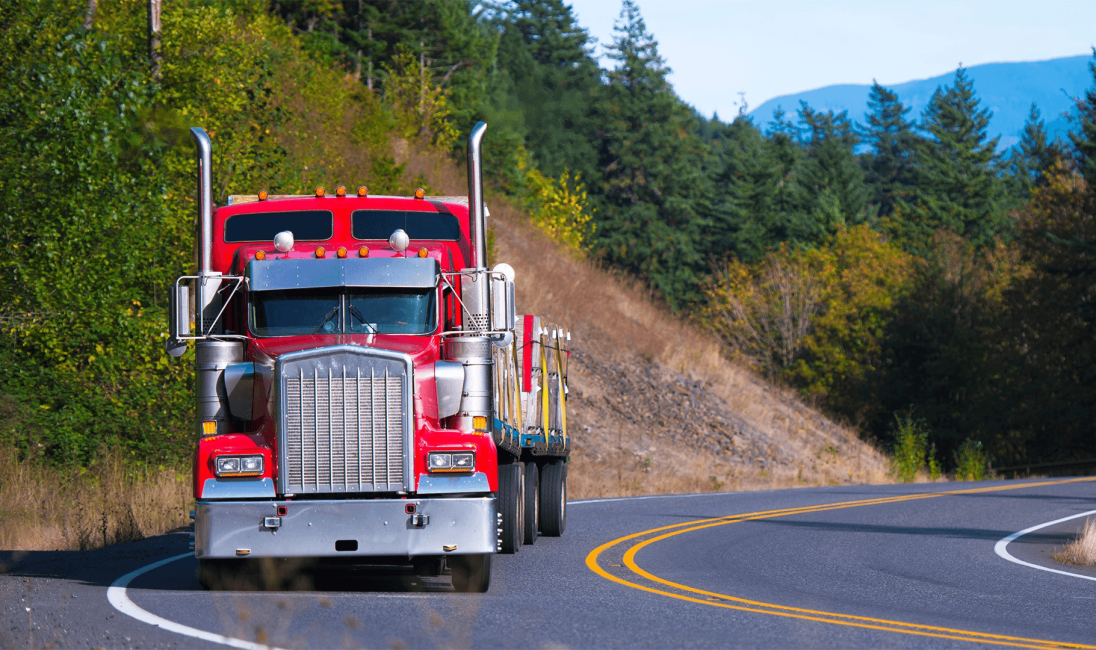
When you’re running a small fleet and a load needs to move across three states by Friday, the last thing you want is a permit delay holding everything up. Skip the wrong permit, file incorrect dimensions, or miss a county-level requirement, and you’re looking at DOT fines, weigh station holdups, and freight that sits instead of rolls.
Picking the right trucking permit services partner can mean the difference between a smooth haul and an expensive headache. Coast 2 Coast helps small fleets secure oversize, overweight, fuel, and trip permits across all 50 states and Canada so you can focus on the road instead of the paperwork.
This article breaks down the key factors every small fleet should evaluate before handing permit work to a service company.
Key Takeaways: What Small Fleets Need in a Permit Service
- A permit service should cover every permit type you haul, from oversize loads to temporary fuel and trip permits.
- Multi-state regulatory knowledge matters because each state sets its own weight, height, and width thresholds.
- Coast 2 Coast handles permits for all 50 U.S. states and Canadian provinces from one point of contact.
- Online ordering and direct communication with permit agents cut down on back-and-forth delays for small fleets.
- Checking customer reviews and industry association involvement reveals a service’s real-world reliability and track record.
Factors Small Fleets Should Evaluate in a Permit Service
1. Coverage Across All Permit Types You Need
Small fleets rarely haul just one kind of freight. One week it’s an oversize load headed to Texas, the next it’s an overweight shipment crossing into New York. Your permit service needs to handle the full range: oversize, overweight, superload, temporary trip (IRP), and temporary fuel (IFTA) permits.
If a company only specializes in one permit category, you’ll end up managing multiple vendors. That creates gaps where missed permits turn into fines. Look for a provider that covers every permit type under one roof so nothing falls through the cracks.
2. Multi-State Regulatory Knowledge
Every state writes its own playbook for oversize and overweight regulations. Per the FHWA, federal rules set the baseline at 80,000 pounds gross vehicle weight, 8 feet 6 inches (102 inches) in width, and 13 feet 6 inches in height.
Arizona requires permits for all commercial vehicles with two or more axles regardless of weight. California mandates trip permits for every commercial vehicle except those hauling personal belongings. Nevada sets its threshold at 10,000 pounds, and New Mexico at 12,000 pounds. A service that doesn’t know these differences costs you time and money.
3. Experience With Your Freight Size and Type
Not every permit company handles every load size. A service that processes standard overweight permits daily may not have the expertise for superloads requiring DOT engineering reviews, route surveys, and police escorts.
Before signing on, ask direct questions. Has the company permitted freight with dimensions and weight similar to yours? Do they know the county and city permit requirements along your typical routes? Asking the right questions upfront saves you from discovering gaps mid-haul.
4. Understanding of Local and County Permits
This one catches a lot of people. Your state permits don’t automatically cover county roads or city streets. Counties and townships often have their own permitting offices, and missing a local permit can stop a load just as fast as missing a state one.
A good permit service flags local jurisdiction requirements before you hit the road. If your route starts or ends on local roads, which is common for construction deliveries, local permits are non-negotiable. Ask how your service handles different permit types at every government level.
5. Online Ordering and Communication Options
When freight is waiting and a permit is the only thing between you and the road, calling and leaving a voicemail isn’t going to cut it. Look for a permit service that offers online ordering alongside direct phone and email access to permit agents.
Coast 2 Coast gives you two online options: Permit Manager and POPS (Permit Ordering Portal System). Both let you submit permit requests on your schedule. When questions come up, you talk directly to agents who know your account, not a call center.
6. Temporary Trip and Fuel Permit Expertise
If your fleet operates outside its base state, you’re not just dealing with oversize or overweight permits. Your vehicles likely need temporary trip (IRP) permits and temporary fuel (IFTA) permits as well.
Each state handles these differently. Connecticut, Maryland, New York, Rhode Island, and Vermont issue 72-hour permits. Arizona offers 30-day, 90-day, and 180-day options. Virginia issues 10-day permits. A permit service that understands these variations keeps you compliant without over-purchasing or under-covering your trips.
7. Route Planning and Compliance Guidance
Permits are only half the equation. Travel-hour restrictions, bridge weight limits, holiday blackout dates, and escort requirements all affect whether your load arrives on time and on budget.
A permit service worth its salt goes beyond filing paperwork. They flag restricted travel hours, suggest alternative routes to avoid low-clearance bridges, and confirm whether your load requires pilot cars or police escorts. That kind of proactive route-level guidance prevents delays that no permit alone can fix.
8. Transparent Track Record and Industry Involvement
Customer reviews tell you more than any company’s own website. Look at Google reviews, ask for references from fleets similar to yours, and check whether the permit service is involved in industry associations like the Specialized Carriers and Rigging Association (SC&RA).
A company with a strong track record of positive reviews and active industry participation signals real commitment. Coast 2 Coast holds a 4.9 out of 5 Google review score and is trusted by thousands of carriers across the U.S. and Canada, which speaks to consistent, reliable service over time.
How to Pick the Right Permit Service for Your Fleet
Choosing a permit service comes down to matching their strengths to your hauling patterns. If you run oversize loads across 10 or more states, you need a service with deep multi-state expertise. If you’re a single owner-operator hauling regional freight, trip and fuel permit reliability matters most.
Coast 2 Coast covers oversize, overweight, superload, trip, and fuel permits across all 50 states and Canada. Instead of chasing permits, checking state websites, and trying to coordinate approval dates, let Coast 2 Coast handle the details while you focus on the road. Reach out today to set up your account.
FAQs about What Small Fleets Need in a Permit Service
What types of permits do small trucking fleets typically need?
Small fleets commonly need oversize load permits, overweight permits, temporary trip (IRP) permits, and temporary fuel (IFTA) permits. The specific mix depends on your freight type and route. Coast 2 Coast handles all of these permit categories across every U.S. state and Canadian province.
Why do permit requirements vary so much between states?
Each state sets its own weight, height, and width thresholds for commercial vehicles. Federal guidelines establish baselines, but states add specific rules. Arizona requires permits for all commercial vehicles with two or more axles at any weight, while Nevada’s threshold starts at 10,000 pounds.
Do I need separate county or city permits for oversize loads?
Yes, in many cases. State permits don’t automatically cover local roads. If your route starts, ends, or passes through a city or county jurisdiction, you may need additional local permits. A qualified permit service will identify these requirements before you roll.
How do I know if a permit service has experience with my freight type?
Ask directly about loads similar in size and weight to yours. Inquire about their familiarity with the specific states along your route. Review their service areas, customer feedback, and whether they handle superload permits that require engineering reviews.
What happens if I haul without the right permit?
You’re looking at DOT fines, State Highway Patrol citations, and getting parked until you sort out the proper authorization. Beyond the immediate penalties, delays hurt your delivery timeline and your reputation with customers.
Can a permit service also help with route planning for oversize loads?
Many permit services offer route guidance as part of their process. Coast 2 Coast advises on travel-hour restrictions, bridge clearances, escort requirements, and restricted holidays to help you plan compliant, on-time deliveries for every haul.