
Power Equipment Oversize Permits Guide for 2026
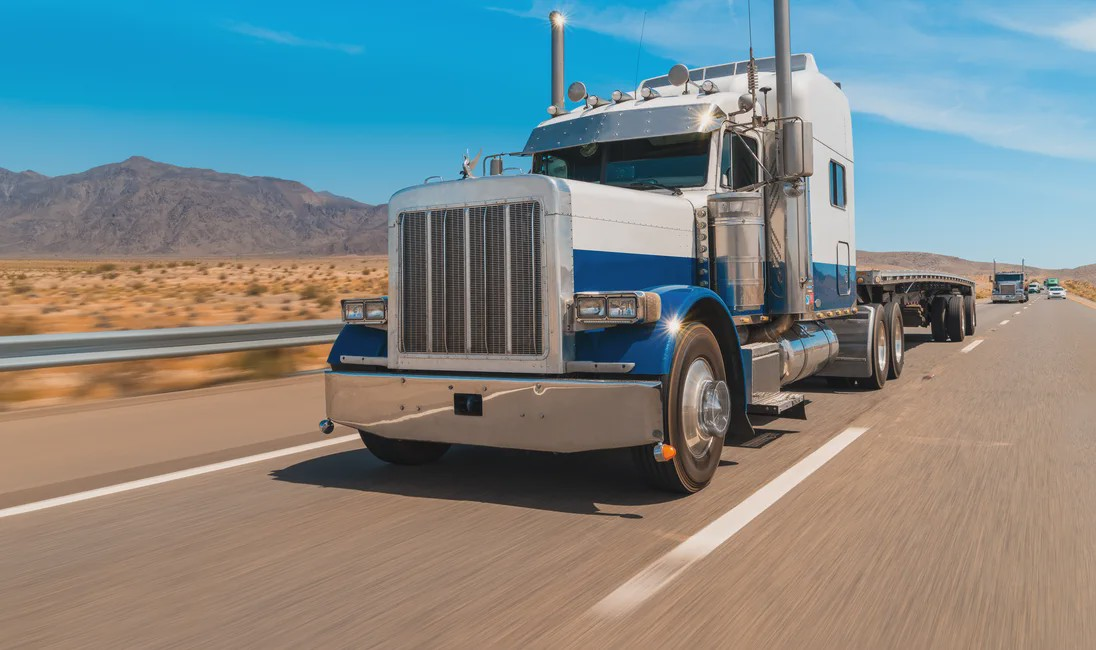
Power generation equipment ranks among the most challenging freight to move across North America. Turbines, transformers, and generator sets regularly exceed 80,000 pounds gross vehicle weight, 8 feet 6 inches (102 inches) in width, and standard height limits, putting them squarely in oversize load permit territory for every state on the route.
If you manage permits for a fleet that hauls this kind of equipment, you already know the problem: no two states handle oversize load permits the same way. Dimensions that qualify as a routine oversize in Texas may trigger superload requirements in Pennsylvania. A load that moves freely in the West at 14 feet high needs a permit the moment it crosses into a state with a 13-foot-6-inch legal height limit.
This guide covers everything fleet managers and logistics coordinators need to know about permitting power generation equipment across the United States and Canada, from federal baselines and state-by-state variation to superload approvals, escort requirements, and common application mistakes.
Key Takeaways: Power Equipment Oversize Permits
- Power generation loads regularly exceed federal weight, width, and height limits, requiring oversize load permits in every state along the route.
- Each state sets its own permit rules, escort thresholds, travel restrictions, and superload definitions, so multi-state moves require careful coordination.
- Superload permits for heavy transformers and turbines often require bridge analyses and engineering reviews that push approval timelines into weeks.
- Coast 2 Coast helps national fleets obtain oversize and superload permits across all 50 states and Canada with average turnaround times of 1.5 to 2 hours.
- Submitting accurate load dimensions and vehicle configurations on the first application prevents rejected permits, re-filing delays, and added costs.
What Makes Power Generation Equipment an Oversize Load?
Federal regulations set baseline limits for commercial vehicles on Interstate highways: 80,000 pounds gross vehicle weight, 20,000 pounds on a single axle, and 34,000 pounds on a tandem axle. Width is capped at 8 feet 6 inches, and most states set legal height between 13 feet 6 inches and 14 feet.
Power generation equipment routinely blows past every one of those thresholds. A utility-scale transformer can weigh 200,000 to 400,000 pounds. Gas turbine assemblies often measure 12 to 16 feet wide. Generator sets mounted on transport frames frequently push past legal height limits, especially when loaded on standard lowboy trailers.
Any load that exceeds even one of those limits requires an oversize or overweight permit before the truck moves. In most cases, power equipment exceeds multiple limits simultaneously, which means you’re dealing with permits for width, height, and weight on the same haul.
Federal Weight and Size Limits That Trigger Permits
The Federal Highway Administration (FHWA) establishes weight maximums for the National System of Interstate and Defense Highways. These figures serve as the baseline that every state references, even though the federal government does not issue permits directly.
The key federal limits include:
- 80,000 pounds gross vehicle weight
- 20,000 pounds on a single axle
- 34,000 pounds on a tandem axle
- Bridge formula compliance based on axle spacing and number of axles
For dimensions, most states adopt 8 feet 6 inches as legal width and 13 feet 6 inches to 14 feet as legal height. Trailer length limits vary, but 48 to 53 feet is common for semi-trailers.
When your power equipment exceeds any of these figures, the federal baseline no longer applies and the state’s permitting process takes over. Since power generation loads almost always exceed multiple limits, you should plan for permits in every jurisdiction between origin and destination.
Why Power Equipment Permitting Varies by State
Every state controls its own oversize and overweight permitting program. The FHWA does not issue permits, and there is no single national permit system for oversize loads. The FHWA’s oversize/overweight permit contacts page documents the state-by-state variation in permitting policies and contact information. At a 2026 Specialized Carriers and Rigging Association symposium, state agency representatives were asked whether a fully national system would ever exist. The answers ranged from “No” to “Absolutely not.”
The variation is real and significant. Each state has different bridge load ratings, different pavement conditions, different escort vehicle thresholds, and different definitions of what qualifies as a superload. Texas may handle a 150,000-pound load through a routine permit process, while the same load in North Carolina would trigger a superload application requiring bridge engineering reviews.
Travel restrictions add another layer. Many states prohibit oversize movements at night, during holiday periods, or on weekends. Some states prescribe approved routes and will void your permit if you deviate, even by a single exit. For fleet managers moving power equipment across 5, 10, or 15 states, coordinating all of these variables is where the real complexity lives.
Types of Oversize Permits for Power Generation Loads
Single-Trip Permits
A single-trip permit covers one movement between a specific origin and destination. This is the permit type you’ll use most often for power generation equipment because each load, route, and set of dimensions tends to be unique. Single-trip permits specify the exact vehicle configuration, load dimensions, approved route, and travel dates.
Processing times vary. Some states issue single-trip permits online in a matter of hours. Others require manual review that can take several business days, particularly if the load dimensions push close to superload thresholds.
Annual Permits
If your fleet moves similarly sized power equipment on a recurring basis, annual permits can reduce both per-trip costs and administrative overhead. An annual permit authorizes unlimited movements of a specific configuration over a 12-month period, provided the load stays within the permit’s dimensional and weight parameters.
Not every state offers annual permits for overweight loads, and annual permits typically do not cover superload-class equipment. For most national power equipment fleets, a combination of annual permits for routine configurations and single-trip permits for heavier or wider loads works well.
Superload Permits
When a load exceeds a state’s routine permit dimensions or weights, it enters superload territory. Definitions vary by state. In Virginia, loads exceeding 115,000 pounds or certain width and height thresholds require a superload single-trip permit. In Missouri, loads over 160,000 pounds gross weight or 16 feet wide fall into the superload category.
Superload permits require significantly more processing time than standard oversize permits. Bridge analyses, engineering reviews, and route surveys are common requirements. In Minnesota, the permit office notes that superload applications can take anywhere from 5 business days to months, depending on load complexity and route conditions.
For power generation equipment like large transformers that can weigh well over 200,000 pounds, superload permits are frequently required. The bigger the load, the more lead time you should build into your schedule.
Escort and Pilot Car Requirements for Power Equipment
Most states require escort vehicles (also called pilot cars) when oversize loads exceed certain dimensional thresholds. These thresholds differ by state, so a load that requires one rear escort in Georgia might need front and rear escorts in Virginia and law enforcement escorts in yet another state.
Pilot cars warn other motorists, help navigate intersections and underpasses, and communicate with the load driver throughout the move. For power generation equipment that is 12 feet wide or wider, you should expect at least one escort in most jurisdictions. Loads exceeding 14 to 16 feet in width typically require two escorts, one in front and one behind.
Some states also require pole cars for over-height loads. A pole car carries an extended vertical pole that contacts overhead obstructions before the load reaches them, giving the driver time to stop. Coast 2 Coast provides access to pilot car services across the U.S. and Canada, which simplifies the process of finding qualified escorts for multi-state power equipment moves.
How Bridge Analysis and Route Surveys Affect Approval Timelines
Power generation equipment creates unique challenges for bridge infrastructure. A 300,000-pound transformer on a multi-axle trailer concentrates loads differently than standard freight, and state DOTs need to verify that every bridge along the route can handle the weight and configuration.
In Virginia, loads over 400,000 pounds must submit a detailed vehicle schematic showing axle spacing and tire configurations for engineering analysis. Above 750,000 pounds, the applicant is required to hire a Virginia-licensed engineer to analyze every structure on the route. North Carolina requires applications to be submitted at least 10 business days before the move, and bridge engineering studies expire after 90 days.
Route surveys identify additional hazards: low-clearance overpasses, tight turns, utility lines, construction zones, and weight-posted bridges. For exceptionally large power equipment, some states require advance coordination with utility companies to temporarily raise or relocate overhead power lines.
The practical takeaway for fleet managers is straightforward: the heavier and wider the power equipment, the earlier you need to start the permitting process. Waiting until a week before the scheduled move can result in delays measured in weeks, not days.
Cross-Border Permitting Between the U.S. and Canada
Moving power generation equipment between the U.S. and Canada introduces an additional layer of permitting. Canadian provinces each maintain their own oversize and overweight permit programs, similar to U.S. states. In British Columbia, for example, high-load moves require approval from BC Hydro and other local authorities if the load height exceeds 4.88 meters (approximately 16 feet), and requests must be submitted at least 10 business days in advance.
Quebec classifies excess loads and sizes into seven classes under its Regulation respecting special permits, each with specific dimensional and weight thresholds. Ontario requires a minimum of 3 to 5 business days for single-trip permit applications, with longer lead times for larger loads.
For national fleets that move power equipment between U.S. plants and Canadian project sites, this means managing two separate regulatory frameworks. Coast 2 Coast secures oversize load permits across all 50 states and Canada, which means you’re working with one permit team instead of contacting each jurisdiction individually.
Common Permit Application Mistakes That Delay Power Equipment Moves
Permit applications for power generation equipment are rejected more often than most fleet managers expect. The most common reasons come down to accuracy:
- Wrong dimensions: Submitting estimated measurements instead of verified load dimensions is the top cause of rejected applications. When exact measurements aren’t available yet, it’s better to add dimensions and weight than come in undersized and underweight.
- Missing axle spacing: States need precise axle spacing and configurations for bridge analysis. Leaving this off the application delays processing.
- Incorrect vehicle information: The permit is issued to a specific VIN and vehicle configuration. Any mismatch between the application and the actual transport vehicle invalidates the permit.
- Expired insurance or credentials: Proof of insurance, a valid USDOT number, and apportioned registration or trip permits must be current at the time of application.
Even a small mistake can send the application right back to square one. For power equipment with tight delivery windows, a rejected application can cascade into missed project deadlines and additional mobilization costs.
How to Know Permit Costs Before You Bid on a Load
Permit costs for power generation equipment vary significantly depending on the states involved, the load’s dimensions and weight, and whether the move triggers superload requirements. Underestimating permit expenses when bidding on a haul can eat into your margin or turn a profitable load into a loss.
Coast 2 Coast’s Quote Manager gives drivers and load planners the ability to estimate permit costs before committing to a bid. Knowing the approximate cost of permits across every state on the route helps you build accurate quotes and avoid surprises after you’ve already accepted the load. For fleets that handle power equipment regularly, this kind of visibility into permitting costs is a practical advantage during the bidding process.
With decades of experience helping oversize fleets handle permitting applications across the U.S. and Canada, Coast 2 Coast’s team understands the fee structures, processing requirements, and state-specific nuances that affect what you’ll pay for each permit.
Travel Restrictions That Affect Power Equipment Moves
Most states impose travel restrictions on oversize loads that go beyond what you’ll find on a standard permit. These restrictions are particularly relevant for power generation equipment because the loads are large enough to trigger the strictest rules in most jurisdictions.
Common restrictions include:
- Daylight-only movement: Many states prohibit oversize loads from traveling between 30 minutes after sunset and 30 minutes before sunrise.
- Holiday blackouts: Major holidays and holiday weekends are off-limits for oversize movement in most states.
- Weekend restrictions: Some states restrict oversize travel on Saturdays and Sundays or limit weekend movement to specific hours.
- Route-specific conditions: Permits specify an approved route. Deviating from that route, even to avoid traffic, can void the permit and expose you to fines.
For a multi-state power equipment haul, these restrictions need to be layered on top of each other. A load moving from Texas to Ohio might travel legally during daylight in Texas, face a weekend blackout in Arkansas, and need to time its entry into each subsequent state to comply with local travel windows. Planning around these overlapping rules is one of the areas where working with a professional permit service pays for itself.
Step-by-Step Guide to Obtaining Oversize Permits for Power Equipment
Step 1: Gather Accurate Load and Vehicle Data
Before contacting any state or permit service, compile the exact dimensions and weight of the power equipment, including overall height, width, length, and gross vehicle weight with the transport trailer. Record the axle count, axle spacing, and tire configuration of the trailer. Have the VIN, proof of insurance, and USDOT number ready.
Step 2: Identify Every State and Province on the Route
Map the route from origin to destination and list every state and Canadian province the load will pass through. Each jurisdiction requires its own permit. Even a short jog through a state counts, as you need a permit for every mile on public roads.
Step 3: Determine Permit Types by Jurisdiction
Check whether the load falls into each state’s routine oversize category or triggers superload requirements. This distinction determines processing time, required documentation, and escort needs. Coast 2 Coast’s permit agents can help you identify the correct permit type for each jurisdiction based on your load’s specific dimensions.
Step 4: Submit Applications With Sufficient Lead Time
For routine oversize permits, many states process applications within hours to a few days. For superloads requiring bridge analysis, allow at least two to four weeks. Some states require even longer for the heaviest loads. Submit all applications as early as possible to avoid permit approval becoming the bottleneck in your delivery schedule.
Step 5: Coordinate Escorts and Travel Windows
Once permits are issued, arrange pilot cars for every state that requires them and confirm the approved travel dates and times. Make sure your escort team knows the permitted route and each state’s specific requirements for signage, lighting, and communication equipment.
Step 6: Verify All Documents Before the Truck Rolls
Confirm that every permit matches the actual vehicle and load configuration. Check that proof of insurance, CAB cards, and registration credentials are current. Carry all permits in the cab and be prepared to present them at weigh stations and DOT checkpoints along the route.
How Coast 2 Coast Supports National Power Equipment Fleets
Managing oversize permits for power generation equipment across multiple states and Canadian provinces involves tracking dozens of variables for each move. Coast 2 Coast handles the permitting process across all 50 states and Canada, from determining the correct permit type for each jurisdiction to preparing and submitting applications on your behalf.
For national fleets that move transformers, turbines, and generator sets on a regular basis, working with Coast 2 Coast means your permit team already knows the rules. Our agents understand which states auto-issue permits and which require manual review, which jurisdictions need bridge analyses for your load class, and how to coordinate approval dates so your travel windows align across state lines.
Instead of chasing permits, checking state websites, and trying to coordinate approval dates across 10 or 15 jurisdictions, let us handle the details while you focus on the road. Call 888-963-0830 or order permits online to get started.
In Conclusion: Planning Ahead Is the Key to Moving Power Equipment on Schedule
Permitting power generation equipment across the U.S. and Canada is genuinely complex. Every state and province sets its own rules for dimensions, weight, escorts, travel times, and superload thresholds. The larger and heavier the equipment, the more lead time, documentation, and coordination the move requires.
A little planning goes a long way. Verify your load dimensions before you apply. Build extra lead time into your schedule for superload approvals. Use tools like Coast 2 Coast’s Quote Manager to know permit costs before you bid. And work with a permit team that covers all 50 states and Canada so you’re not managing a dozen state portals on your own.
FAQs About Oversize Permits for Power Generation Equipment
What oversize permits are required for transporting power generators?
Any power generator that exceeds 80,000 pounds gross vehicle weight, 8 feet 6 inches in width, or the state’s legal height limit requires an oversize or overweight permit. Most power generators exceed multiple limits, so you’ll typically need permits covering width, height, and weight in every state along the route.
How long does it take to get a superload permit for heavy transformers?
Processing times vary by state and load complexity. Routine oversize permits may come back in hours. Superload permits for heavy transformers often require bridge analyses and engineering reviews that push timelines to two to four weeks, and some states note that the most complex applications can take months. Coast 2 Coast’s permit agents help national fleets navigate these timelines by submitting applications early and coordinating approvals across jurisdictions.
Do I need pilot cars when hauling oversize power equipment?
Most states require pilot cars once a load exceeds certain width, height, or length thresholds. For power generation equipment that is 12 feet wide or wider, expect at least one escort in most jurisdictions. Loads wider than 14 to 16 feet typically require two escorts. Coast 2 Coast provides access to pilot car services across the U.S. and Canada, simplifying escort coordination for multi-state moves.
Can one permit cover multiple states for an oversize load?
No single permit covers all states. Each state issues its own oversize and overweight permits independently. A group of western states participates in the Western Regional Agreement, which lets you apply through one member state for permits across the participating jurisdictions, but this does not include all 50 states. Coast 2 Coast coordinates multi-state permitting across all 50 states and Canada so you work with one team instead of contacting each state separately.
What happens if my load dimensions change after permits are issued?
A permit issued for specific dimensions is valid only for those dimensions. If your actual load measurements differ from what’s on the permit, the permit is invalid and you’ll need to re-apply. Re-permitting adds cost and delay, which is why verifying exact dimensions before submitting applications is one of the highest-value steps in the oversize permit process. Coast 2 Coast’s team helps fleets get applications right the first time to avoid this situation.
How does Coast 2 Coast help fleets estimate permit costs before bidding?
Coast 2 Coast’s Quote Manager lets drivers and load planners see estimated permit costs for each state on a given route before they commit to a bid. This helps you factor permitting expenses into your pricing so there are no surprises after you accept the load. Combined with decades of experience in oversize permitting, this gives fleets a clearer picture of the true cost of each power equipment move.